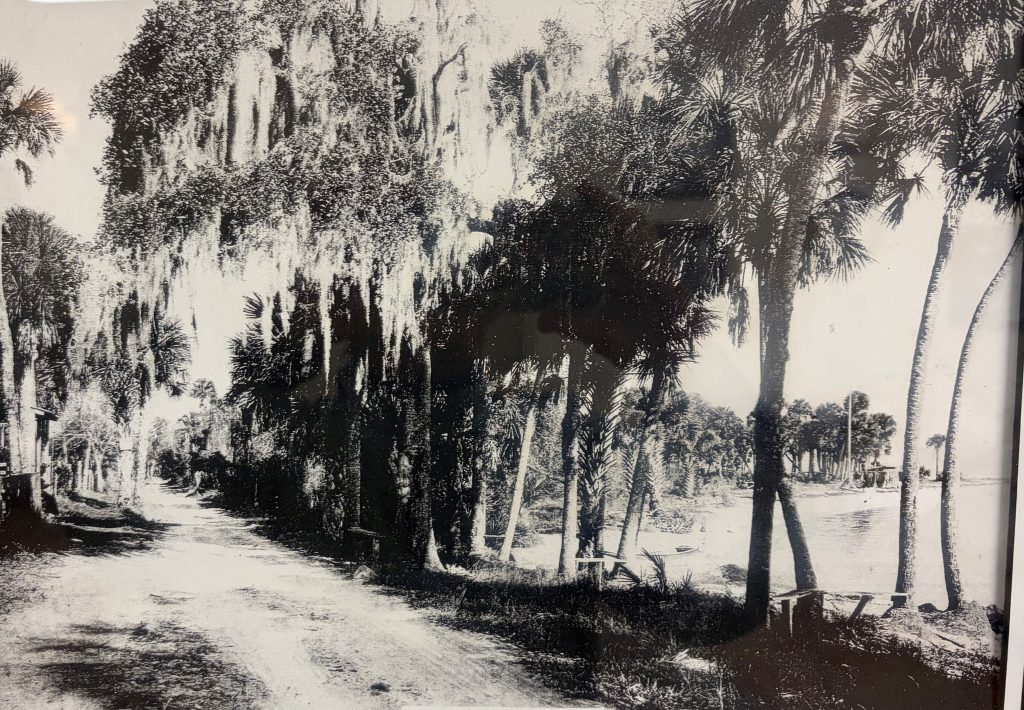
The history of Brevard County can be traced to the prehistory of native cultures with the Ais and Timucuan tribes being the predominant Native Americans in this area. They lived off of the abundant natural resources of the Indian River, lagoon, and surrounding lands for thousands of years. Spanish explorers sailed the coast and documented life with the tribes.
The Ais People
“In 1605, Álvaro Mexiá was tasked by the Spanish government to attempt peace with La Florida’s native population, specifi cally the Ais people. As a result, the Ais territory was mapped by Álvaro and he wrote letters describing his experiences and observations. This is the fi rst time El Río de Ais was mapped. When Florida became a U.S. territory in 1822, the El Rio de Ais river was renamed the Indian River.
The Ais and the Spanish colonists were not friends, but they did trade and barter. Despite the relationship, skirmishes did occur. If the Ais were ambivalent about the Spanish, they truly disliked the English. Accounts from 1696 tell of an English shipwreck around Hobe Sound. Although the English shipwreck survivors felt threatened and at times were mistreated, the Ais ensured the English arrived safely to St. Augustine into Spanish hands. The Ais would bring shipwreck victims to St. Augustine to collect a ransom. They were also renowned divers, selling or trading Spanish shipwreck items back to the Spanish!
8BR1936 (Florida Master Site File) on the Banana River Lagoon in the city of Cape Canaveral was occupied by the Ais Indians and is probably the
winter town of Savochequeya, an Ais village documented and mapped in 1605 by Spanish explorer Álvaro Mexiá. Carbon 14 (c14) dating showed the bottom of the midden to be c 1500 AD and the bottom of the midden c 1700 AD. The midden was a coquina clam midden.”1
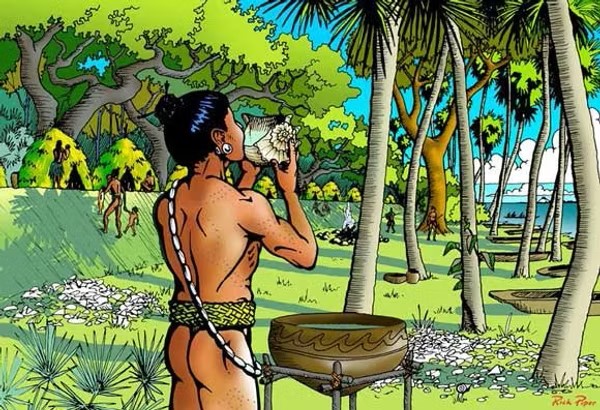
“200 years of Spanish rule (1513-1821), with a brief interim of 20 years of British rule (1763-1784), resulted in neither assimilation nor destruction for Florida’s native population. Many of the Christianized natives were moved to either Cuba or Puerto Rico when Spain left. The remaining Florida natives were either absorbed into other kingdoms or had been killed, died of disease, or captured and sold as slaves. After 1760, the Ais people disappeared from the historical record.”2
1 Field Manor Website, Merritt Island, Florida, Subtitle Museum
2 Ibid
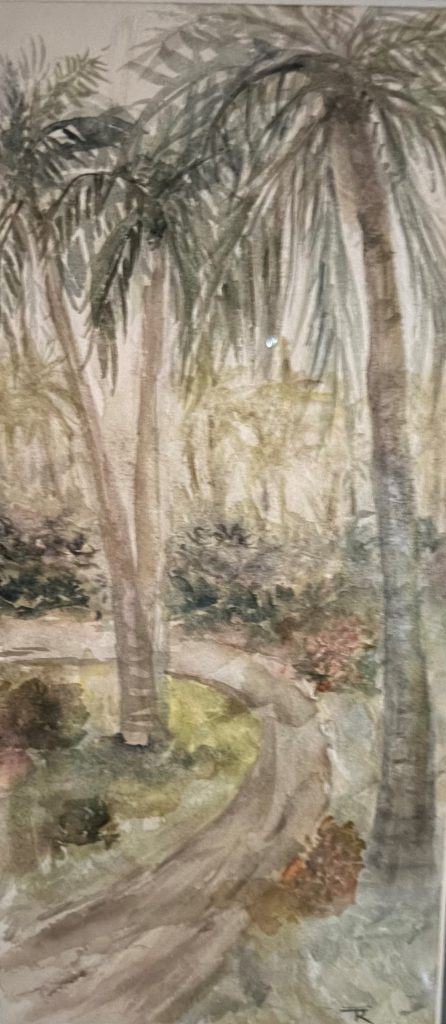
The pathway/road along the Indian River was called the Palmetto Road due to the abundant number of plants lining the way. The original county, Mosquito County, extended from Okeechobee to Kissimmee. Brevard County was established in 1855 and the borders were shifted defi ning the current shape.
Early settlements were established but faced hardships during the Seminole Wars which led to posts like Fort Ann located on Merritt Island. The agricultural crops grown by the early settlers were bananas and pineapples.
The outcropping that is now Oleander Pointe was used by the early churches for the ritual of baptism.